


How To Overview
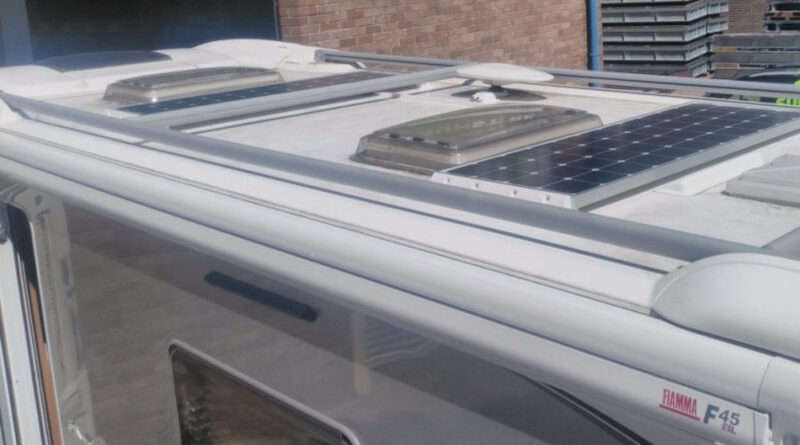
Are you ready to take your campervan adventures to the next level? Harnessing solar energy is a game-changer for vanlifers, providing a sustainable and independent power source on the road. This guest post from Motorhome Workshop delves into the various types of solar panels and charge controllers, offering insights into how to set up an efficient solar system for your campervan. From flexible panels perfect for limited roof space to traditional rigid panels for maximum output, understanding your options is key to a successful setup.
- Types of Solar Panels: Flexible vs. rigid panels
- Charge Controllers: MPPT vs. PWM explained
- System Setup: Components of a typical campervan solar system
- Installation Tips: Best practices for mounting and wiring
- Efficiency Boosts: How to optimize solar power usage
Why This Matters for UK Vanlifers: For those living the vanlife dream in the UK, a reliable solar power system means freedom from campsite electrical hookups and the ability to explore off-grid locations. As energy costs rise, investing in solar technology not only enhances your travel experience but also contributes to sustainability. Embracing solar energy allows for longer stays in nature, all while minimizing your carbon footprint. So, whether you're a seasoned traveler or just starting out, understanding solar power is essential for a fulfilling vanlife journey.